
Protect the finish. Or change it completely.
Paint protection film against rock chips and road debris, and color-change wraps in gloss, satin, matte and specialty finishes — both installed over paint we never cut into.
A rock chip costs more than the film that would have stopped it.
Houston highways throw gravel, tar and road debris at the front of your vehicle every day. Every chip is a repaint waiting to happen — and a repainted panel is a panel that no longer reads as original.
How much of the vehicle do you want covered?
Coverage is the decision that drives everything else — the material, the time in the shop and the price. Pick the closest match and you'll know what to expect before you send a single photo.
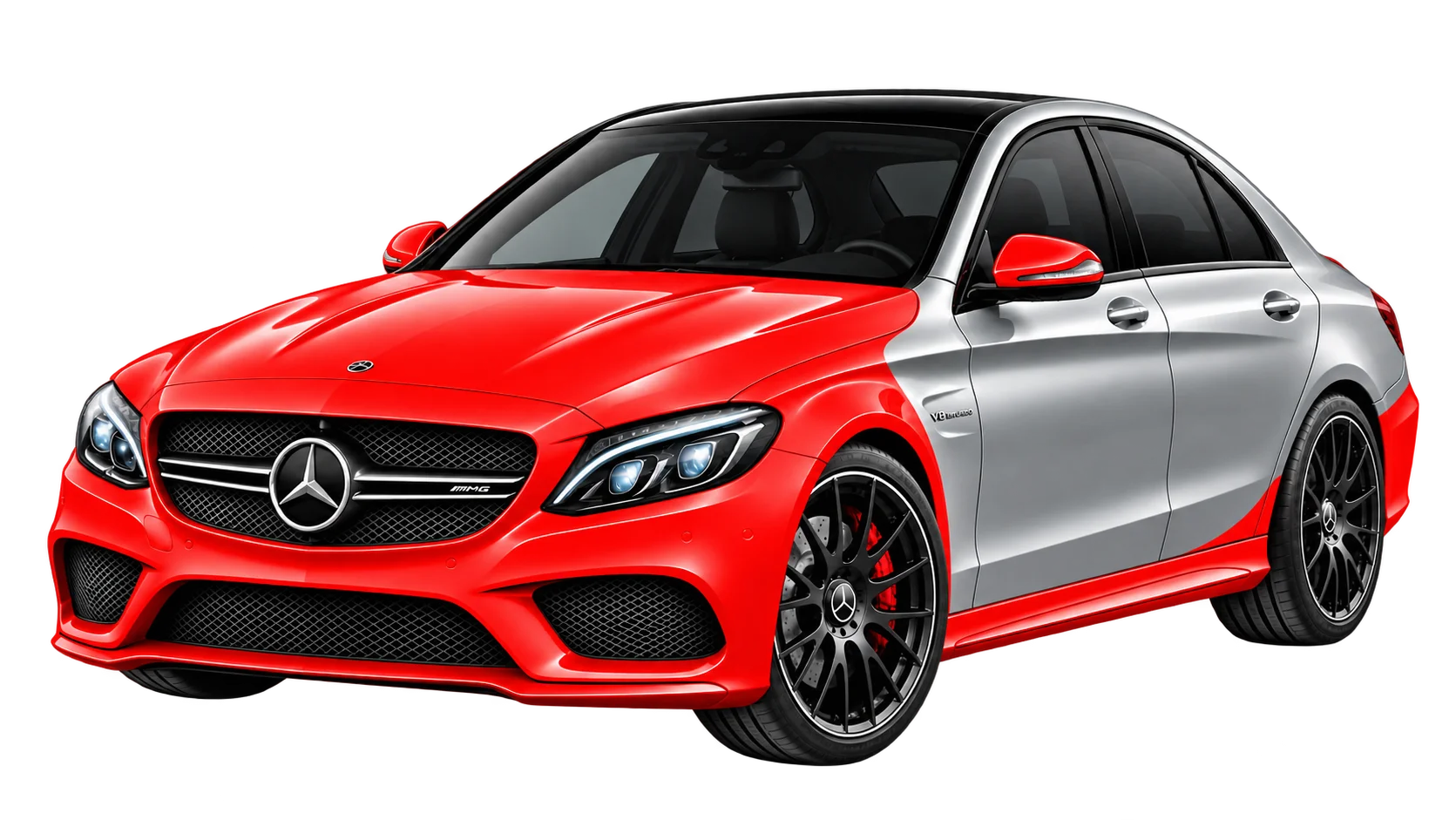
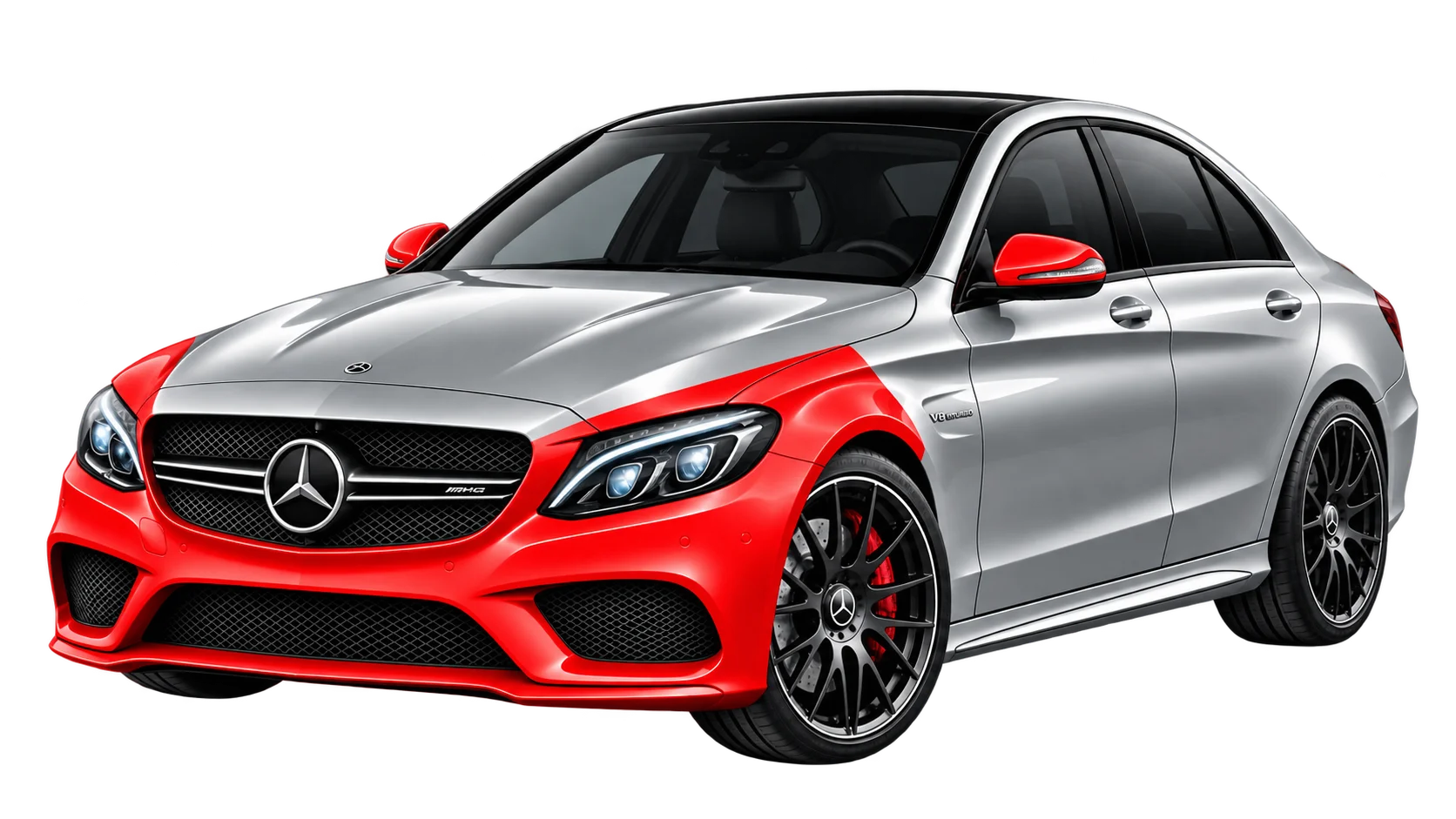
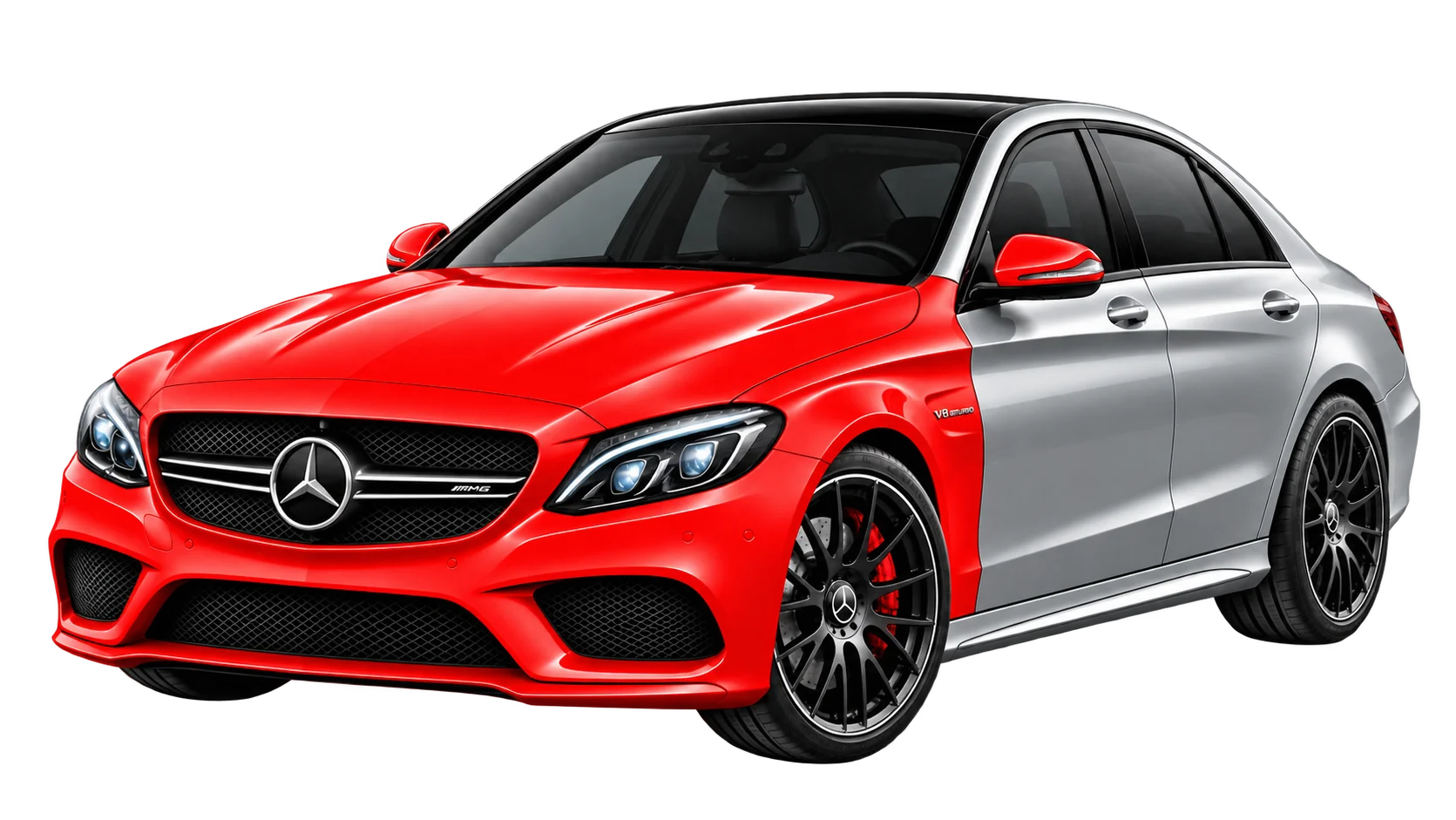
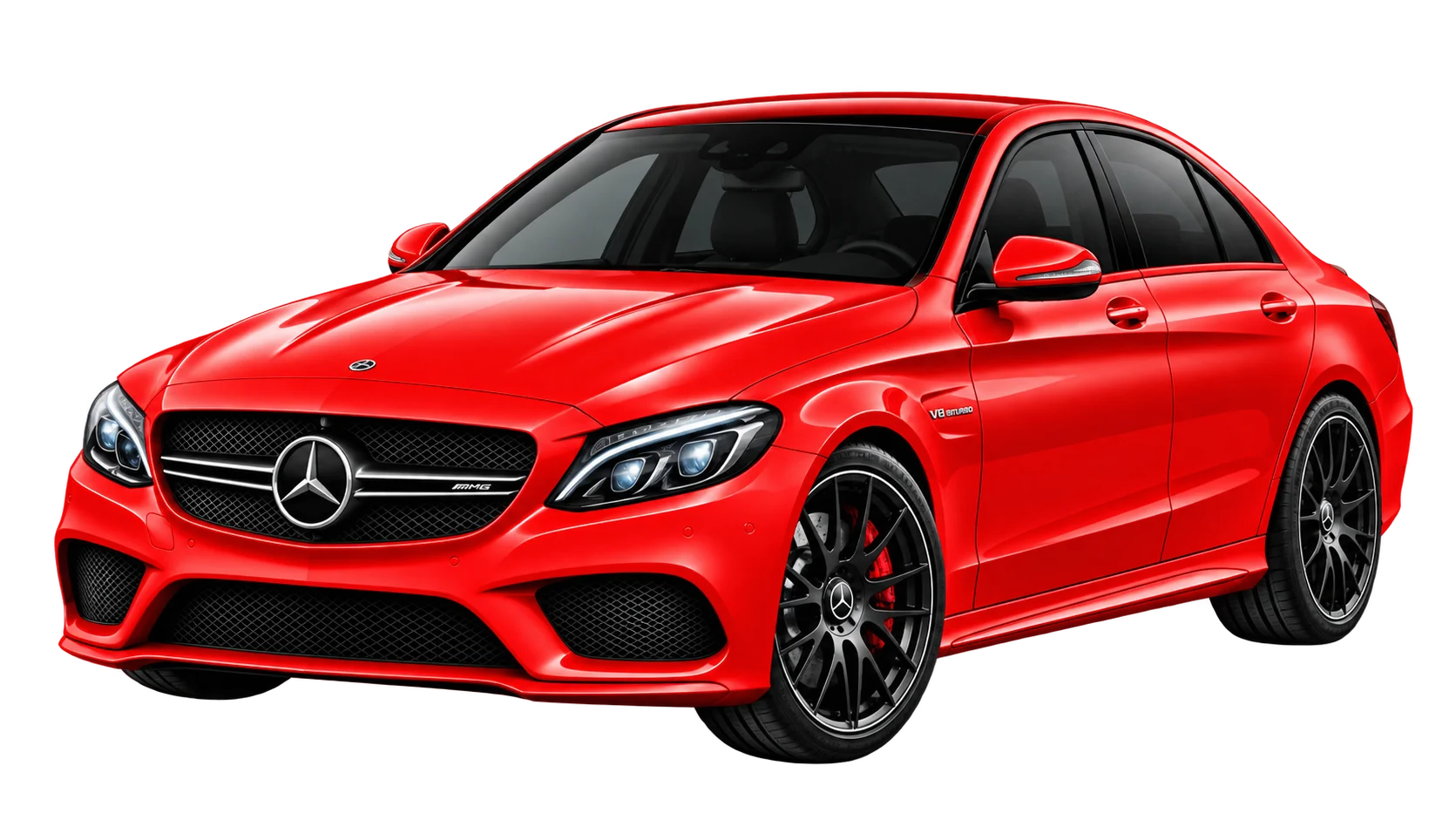
{{ active.title }}
{{ active.desc }}
Four services, one discipline: film over paint.
Protection film and color-change vinyl are installed the same way — clean paint, computer-cut patterns, edges wrapped rather than trimmed at the seam.
Paint Protection Film (PPF)
Clear, self-healing urethane over the panels that take the abuse. Absorbs rock chips, road rash, bug etching and light scratching so the paint doesn't.
Color-Change Wraps
A complete finish change in gloss, satin, matte or specialty vinyl — every panel, every edge, with the original paint intact underneath.
Chrome Delete & Accents
Trim, mirrors, badges, roof and pillars in gloss black or satin. The smallest change with the largest effect on how the car reads.
Wrap Removal & Repair
Old or failing vinyl taken off with heat and adhesive remover rather than a blade, and single-panel replacement when one section gets damaged.
Five ways the same car can look.
Finish changes how light behaves on the panel — and how much maintenance the vehicle asks for afterwards. Swatches below are indicative — real vinyl samples are available at consultation.
Film only looks as good as the paint under it.
Vinyl and PPF follow the surface exactly. A dent still reads as a dent, and failing paint won't hold adhesive. This is the one honest conversation to have before booking.
What the paint needs to be
If your vehicle doesn't clear these, we'll tell you what to fix first — including sending you to dent repair before you spend money on film.
See dent & hail repairSix stages, start to finish.
Wrap quality is decided in the prep and at the edges — the parts nobody photographs. Patterns are computer-cut to your exact vehicle, so the film fits the panel rather than being trimmed to it.
Time in the shop depends on coverage, vehicle shape and panel count. We give you the timeframe with your estimate, once we've seen the vehicle.
A full wrap, in two minutes.
Prep, first panel laid, edges tucked, reassembly, reveal — the whole color change compressed.
Questions about wraps and PPF.
What's the difference between PPF and a vinyl wrap?
PPF is a thick, clear, self-healing urethane film whose job is absorbing impact — rock chips, road rash, bug etching. A wrap is thinner coloured vinyl whose job is changing how the vehicle looks. PPF protects; vinyl transforms. Plenty of vehicles get both: PPF on the front end, vinyl everywhere else.
Will film damage my paint?
Not on sound factory paint. Both films are adhesive layers over the clear coat, and both come off with controlled heat and adhesive remover. The risk is with paint that was already compromised — a previous respray, peeling clear coat, or rust at a panel edge — which is exactly why we inspect before quoting.
What does the 10-year warranty actually cover?
Ten years against yellowing, cracking, bubbling and delamination, when the film is properly installed. It's a material warranty on the film itself — not damage from an impact heavy enough to go through it.
How long does a wrap last?
It depends on the finish, the film and how the vehicle lives. A garage-kept car in gloss lasts considerably longer than a daily driver parked in Houston sun; matte and specialty films ask for more care than gloss. We'll tell you what to expect for your specific vehicle and finish rather than quote a number that doesn't hold.
Can you wrap over a dent, or over damaged paint?
We can, but you won't like the result. Film follows the surface, so a dent still reads as a dent and a crease still reads as a crease. Failing paint is worse — the adhesive lifts it. Get the panel straight and the paint sound first; that's usually paintless dent repair, and it's work we do in-house.
How do I wash a wrapped car?
Hand wash with a pH-neutral soap, no automatic brushes, no pressure washer held close to an edge. Matte and satin finishes skip wax and gloss enhancers entirely.
Do you wrap fleets and commercial vehicles?
Yes — fleet branding, DOT numbers, decals and signage are handled as commercial work, quoted per vehicle with scheduling built around your operating hours.
Can I get a partial wrap or just the roof?
Yes. Roof wraps, chrome delete, mirror caps, hood accents and racing stripes are all common single-element jobs, and they're the fastest way to change how a vehicle reads without committing to a full wrap.
Tell us the vehicle and the finish.
Year, make and model, how much coverage you want, and a few photos of the current paint. That's enough for us to quote it.